
Discovering the Roots of Santa Clara East Central
Nestled in the heart of Silicon Valley, the Santa Clara East Central neighborhood is a vibrant tapestry woven from generations of history, culture, and community pride. Far more than just a point on a map, East Central is where the story of Santa Clara’s transformation from a rural mission town to a dynamic urban hub comes alive. Ask any longtime resident, and they'll tell you: living in East Central means being part of something special, a living legacy in one of California’s most intriguing cities.
How East Central Got Its Name
The origins of the East Central moniker are both practical and reflective of Santa Clara’s changing landscape. As the city grew steadily throughout the 20th century, planners divided Santa Clara into distinctive, easy-to-navigate districts. East Central describes that prime slice of town situated east of Downtown, bordered roughly by El Camino Real to the south, Lawrence Expressway to the east, and the wide green stretch of Central Park just to the west. This area quickly earned a reputation as the "central crossroads" between established residential streets and emerging commercial hotspots, hence its straightforward but resonant name.
Key Historical Milestones
From Mission Fields to Modern Streets
The land that would become East Central Santa Clara has its roots deep in California’s mission era. Just a stone’s throw away is Mission Santa Clara de Asís, founded in 1777, whose spiritual and cultural influence radiated outward for miles.
- In the late 1800s and early 1900s, local orchards and family farms filled the open fields stretching from what is now Benton Street north to Monroe Street.
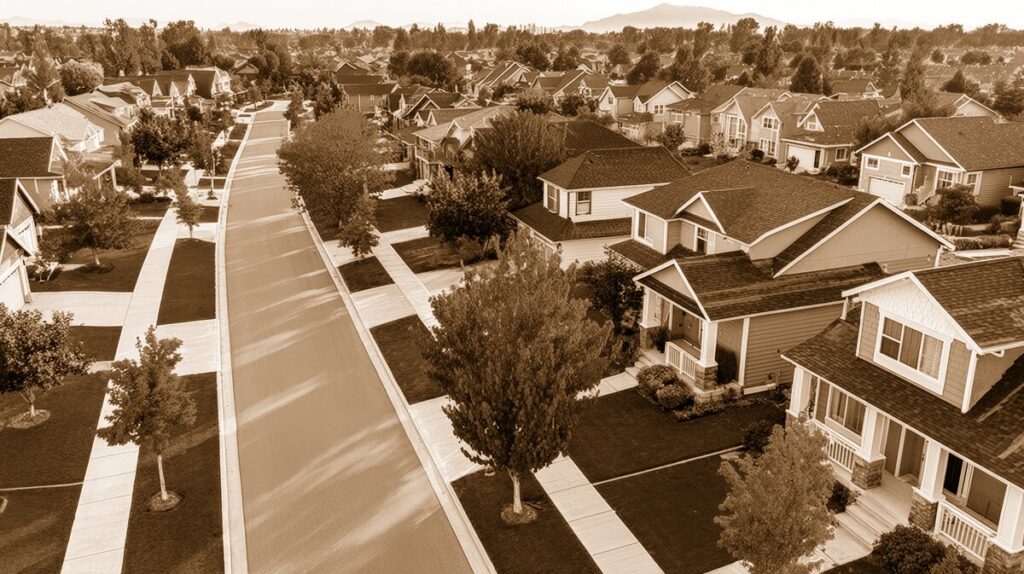
- As the post-war boom arrived, these farmlands gave way to neat neighborhoods. The construction of single-family homes and the influx of young families through the 1950s and 1960s marked a new chapter for the area.
Neighborhood Evolution
Santa Clara East Central’s defining growth spurts came in three waves:
- Post-WWII Subdivision: Housing demand soared as returning veterans settled throughout East Central, giving rise to attractive tree-lined streets such as Madison Street, Harrison Street, and Jackson Street.
- 1970s–1990s Revitalization: Investment in public spaces and the opening of new schools, including Sutter Elementary, infused new energy. The construction of shopping plazas along El Camino Real transformed the area into a retail and dining destination.
- Modern Renaissance: Today, historic homes blend seamlessly with contemporary apartments. Tech professionals are drawn to East Central’s convenient commute routes, while longtime locals cherish the tight-knit feel and easy access to both Central Park and downtown amenities.
Notable Landmarks and Buildings
Central Park: The Neighborhood’s Green Heart
No tale of East Central is complete without highlighting Central Park. Spanning 52 lush acres between Keily Boulevard and Homestead Road, this iconic city park is the neighborhood’s social cornerstone. Generations gather here for summer concerts, afternoon picnics, and family celebrations. The Santa Clara Central Park Library, with its soaring glass atrium, offers a hub for learning and community activities right on the park’s edge.
Architectural Gems
- Historic Eichler Homes: Sprinkled primarily on streets like Pomeroy Avenue and Kiely Boulevard, you’ll find classic mid-century Eichler homes with signature flat roofs and open courtyards—cultural time capsules of 1950s optimism and design.
- St. Lawrence the Martyr Parish: Located on Lawrence Expressway, this beloved church has been central to East Central’s spiritual life since it was built in the 1960s, serving as both a house of worship and a gathering space for community events.
Local Institutions
- Wilcox High School: Since opening in 1961 on the eastern edge of the neighborhood, Wilcox has been a hub for student achievement and community spirit. Its sports fields host games that bring together fans from across Santa Clara.
- Santa Clara Swim Center: Known regionally for producing competitive swimmers (including Olympians), the Swim Center at Central Park reflects the community’s enduring commitment to recreation and healthy living.
Evolution Over the Decades
The spirit of inclusivity and adaptation has helped East Central weather the winds of change. In the 1980s and 90s, new waves of immigrants brought fresh cultures and flavors to the area, reflected today in the international eateries lining El Camino Real—everything from family-owned taquerias to Korean BBQ joints. Festivals hosted at local parks showcase the neighborhood’s cultural diversity.
Modern development has been carefully balanced with preservation. Historic bungalows on Monroe and Bucher avenues have been lovingly restored, while new developments offer affordable housing options for tech workers and young families. The city works closely with neighborhood associations to preserve tree canopies and maintain walkable, safe streets.
What Makes East Central Special Today
Ask any resident, and you’ll hear about the sense of connection that endures from one decade to the next:
- Block parties on Maple Avenue where neighbors become lifelong friends.
- Saturday strolls through Central Park, with stops at the playground or the summer farmers’ market.
- The pride parents feel watching high schoolers march in the Wilcox Chargers’ homecoming parade.
There’s also a forward-thinking spirit here—embracing green initiatives, championing local businesses, and welcoming new cultures without losing sight of what shaped the community.
A Neighborhood That Honors Its Past, Embraces Its Future
Santa Clara East Central is more than its boundaries. It’s a living timeline, where the echoes of orchard rows and Victorian-era schools meet the buzz of today’s Silicon Valley innovation. Whether you’re visiting the Central Park Library, grabbing a coffee along Homestead Road, or simply enjoying a golden sunset among the leafy streets, you’re part of East Central’s ongoing story—a place where history and hope walk hand in hand.